
Standing Firm in the Faith: Evangelizing in Today’s World Through Words and Witness

In 2 Thessalonians, St. Paul encouraged early Christians to stand firm in their faith while facing hostility, confusion, and persecution. Almost two thousand years later, Catholics and Christians live in a vastly different world — yet in many ways, our mission remains the same: to proclaim Christ in a culture filled with competing beliefs, distractions, and “modern idols.”
Today, the challenges we face when sharing our faith are different in form but identical in essence. Let’s explore what has changed, what hasn’t, and how you and I are called to evangelize boldly — not only with our words but, above all, with our lives.
1. Paul’s World vs. Our World: What’s Changed and What Hasn’t
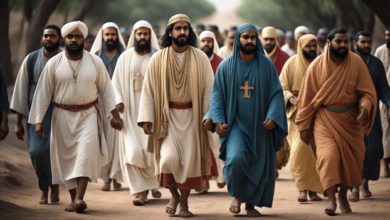
When Paul wrote to the Thessalonians, he was speaking to a young Christian community in a society shaped by Roman power, pagan gods, and emperor worship. Today’s society looks very different, but the obstacles to faith are just as real.
| Aspect | Paul’s Context (1st Century) | Today’s Context |
|---|---|---|
| Religious Landscape | Pagan polytheism, emperor worship, mystery cults. Religion and politics were inseparable. | Secularism dominates in many regions. Pluralism thrives: Christianity, Islam, Hinduism, New Age, atheism — even “personal spirituality.” |
| Risk of Persecution | Physical persecution: beatings, imprisonment, exile, even martyrdom. | In most democratic nations, legal protections exist — but ridicule, censorship, and “cancel culture” are real. In some countries, violent persecution continues. |
| Philosophy of Truth | Truth was tied to the city’s gods and Roman tradition. | Today, relativism reigns: “Your truth, my truth.” Objective truth is dismissed. |
| Idols | Zeus, Apollo, Artemis, Caesar — worshiped openly. | Money, power, technology, pleasure, self-expression — worshiped subtly. |
| Evangelization Tools | Letters, marketplaces, riversides, house churches. | Podcasts, blogs, YouTube, TikTok, livestreams, digital missions — plus in-person witness. |
2. Paul’s Message in 2 Thessalonians: Then and Now
Paul’s words to the Thessalonians are timeless because they apply just as much to us today.
a) Encouragement Amid Hostility
“We boast about you… for your steadfastness and faith in all your persecutions.”
(2 Thessalonians 1:4)
- Then: Christians endured physical persecution for rejecting pagan gods and emperor worship.
- Now: Hostility often comes as social rejection, mockery, and digital backlash. Yet in some parts of the world, Christians still face imprisonment or death for their faith.
b) Standing Firm in the Truth
“So then, brothers and sisters, stand firm and hold fast to the traditions you were taught.”
(2 Thessalonians 2:15)
- Then: Paul warned believers about false teachings regarding Christ’s return.
- Now: We face relativism, syncretism (“all religions are equal”), and even confusion within Christian communities. Catholics are called to know our faith deeply — Scripture, Tradition, and the Catechism — so we can recognize truth from distortion.
c) Boldness in Evangelization
“Pray for us… that the word of the Lord may speed ahead and be honored.”
(2 Thessalonians 3:1)
- Then: Preaching Christ as Lord was radical and dangerous.
- Now: Proclaiming Jesus as the Way, the Truth, and the Life is equally radical in a culture that denies absolute truth and treats faith as a private preference.
3. Evangelizing Today: New Challenges, Same Mission
The Great Commission — Jesus’ command to “Go and make disciples of all nations” (Matthew 28:19) — hasn’t changed. But the terrain of evangelization has.
A. Secularism and Relativism
- In Paul’s world, everyone believed in some divine power.
- Today, many believe no god at all, replacing Him with science, technology, or self-worship.
- Evangelization often starts with reintroducing God Himself — the very idea of objective truth and eternal meaning.
B. Digital “Philippi”
- Paul preached in synagogues and marketplaces; today, our “marketplaces” are digital platforms:
- Podcasts
- YouTube channels
- TikTok evangelization
- Blogs and livestreams
- But digital spaces come with hostility: algorithms reward outrage, and faith-based content often faces resistance.
C. Facing Modern Idols
Paul confronted statues of Zeus and temples to Artemis.
We face modern idols:
- Wealth and consumerism (“I am what I own”)
- Power and autonomy (“I answer to no one”)
- Pleasure and comfort (“If it feels good, do it”)
- Technology and self-image (“I control my destiny”)
The Gospel challenges all idols, ancient and modern.
4. Evangelizing With Our Lives: The Saint Francis Principle
The call to evangelization is not optional for Catholics. But it’s not just about preaching sermons or posting Bible verses online.
St. Francis of Assisi is often credited with this wisdom:
“Preach the Gospel at all times. When necessary, use words.”
While the exact phrasing may differ in historical records, the principle remains powerful:
our lives must be living testimonies of the faith we profess.
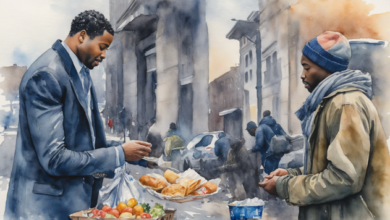
- If we believe in God’s mercy, do we show mercy?
- If we believe in Christ’s love, do we love sacrificially?
- If we believe in eternal life, do we live as if this world is not our ultimate home?
When our lives reflect Christ, evangelization happens naturally. People notice. They’re drawn to something different, something deeper.
5. Always Be Ready to Share the Faith
St. Peter’s exhortation perfectly complements Paul’s teaching:
“Always be ready to give an answer to anyone who asks you to give the reason for the hope that is in you, but do it with gentleness and respect.”
(1 Peter 3:15)
This requires two things:
- Knowledge — Know what we believe and why.
- Gentleness — Evangelization is invitation, not coercion.
6. A Call to Action: Be Living Witnesses of the Gospel
The world is hungry for authentic witnesses, not just arguments. Paul’s courage, St. Peter’s exhortation, and St. Francis’ wisdom all converge in one challenge to us today:
- Live the Gospel visibly.
Let your life preach before your lips ever speak. - Know your faith deeply.
Read Scripture. Study the Catechism. Understand why we believe. - Share the Gospel boldly.
Online, in person, at work, in your family — wherever God places you. - Pray for opportunities.
Ask the Holy Spirit to open doors and give you the right words at the right time.
7. Conclusion: Same Mission, New Frontiers
When Paul preached in Philippi and Thessalonica, he was confronting pagan idols, Roman power, and spiritual confusion. Today, we face new forms of paganism, modern idols, and digital distractions, but the Gospel remains the same:
Jesus Christ is Lord — yesterday, today, and forever. (Hebrews 13:8)
In a noisy, skeptical world, our lives must speak louder than our words. And when the opportunity comes, be ready — with courage, gentleness, and hope — to explain why you believe.
Closing Prayer
Lord Jesus, give us the courage of St. Paul, the wisdom of St. Peter, and the humility of St. Francis. Teach us to live in such a way that our very lives proclaim Your Gospel. Make us witnesses of Your love to a world that longs to see You. Amen.