
Mary, Virgin Most Pure: It Is Never Too Late to Begin Again
Knowing Mary: The Meaning Behind Her Titles
We live in a world where purity is often misunderstood, undervalued, and sometimes even ridiculed. Through social media, entertainment, advertising, and many other influences, we are constantly exposed to messages that can reduce human relationships to physical attraction, pleasure, and personal gratification. The beauty of genuine love, self-respect, modesty, and self-control can easily become lost amid these competing messages.
Yet when we speak about purity, we often make a serious mistake. We tend to associate it almost exclusively with women, particularly young women, as though purity were somehow their responsibility alone. Nothing could be further from the truth. Purity is a calling for every human being, male and female, young and old, married and unmarried. It is not simply about preserving virginity. It is about learning to love as God intended us to love.
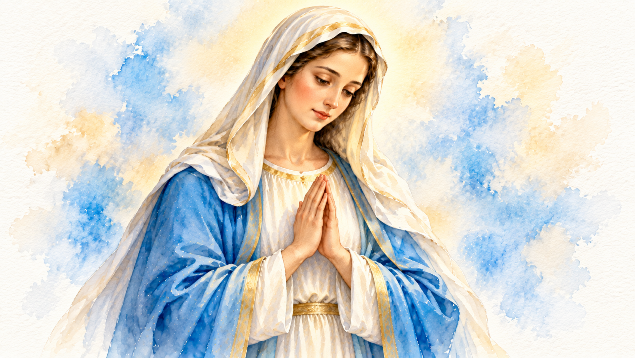
Among the beautiful titles given to the Blessed Virgin Mary in the Litany of Loreto is Virgin Most Pure. What does this title mean, and what can Mary’s example teach us in a world struggling to understand the true meaning of purity?
Mary, Virgin Most Pure
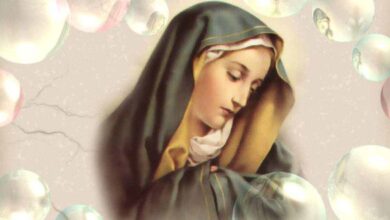
The Church honours Mary as Virgin Most Pure because of her unique holiness, her perpetual virginity, and her complete openness to God’s will. At the Annunciation, the angel Gabriel greeted her as one who was full of grace (Luke 1:28). Mary’s purity was not merely physical. It embraced her entire being: her thoughts, her intentions, her relationships, and above all, her heart, which belonged completely to God.
Mary’s purity was rooted in love. She was free to give herself generously to God and to others without selfishness or hidden motives. Her life was marked by humility, compassion, faithfulness, and a profound desire to do God’s will.
And this is where her example becomes so relevant to us. Purity is not simply about what we refrain from doing. It is also about the kind of people we are becoming. It is about having hearts that seek what is good, eyes that recognise the dignity of others, minds that resist what degrades the human person, and relationships built upon genuine love and respect.
Jesus Himself reminds us, “Blessed are the pure in heart, for they will see God” (Matthew 5:8). Notice that He speaks of purity of heart. God desires to transform us from within.
Purity Is Not Just for Women or Young People
For far too long, purity has sometimes been presented as though women must protect their virtue while men are somehow excused from the same responsibility. This double standard is neither just nor consistent with the Gospel.
Men are called to purity just as women are. Husbands are called to purity just as wives are. Young people, single adults, and those who have been married for decades are all called to live with integrity, self-control, and respect for the dignity of others.
Purity challenges the way we look at people, the conversations we entertain, the entertainment we consume, the intentions we carry, and the choices we make when no one else is watching. It challenges us to reject pornography, exploitation, infidelity, manipulation, and every attitude that treats another human being as an object rather than a person created in God’s image.
Within marriage, purity does not mean the absence of sexual intimacy. Rather, marital chastity honours intimacy as a beautiful expression of faithful, generous, and self-giving love.
Purity is not the rejection of love or sexuality. It is learning to express love and sexuality in ways that honour God, ourselves, and one another.
But What If I Have Already Made Mistakes?
Perhaps this is the most important message of this reflection.
There are people who genuinely desire to live pure and holy lives but feel that their past has disqualified them. Some have engaged in sexual relationships outside marriage. Others have struggled with pornography, infidelity, or patterns of behaviour they now regret. Some have lived for years without giving much thought to God’s plan for their lives.
And somewhere along the way, they begin to believe a terrible lie: I have already gone too far. I can never be pure again.
But that is not the message of Jesus Christ.
Your past does not have to determine your future. Your mistakes do not erase your dignity. And your history does not place you beyond the transforming power of God’s grace.
Physical virginity and purity are not identical. While a person cannot undo the physical history of their life, they can make a new beginning spiritually and morally. A person who has been sexually active can choose chastity. Someone who has struggled with habitual sin can seek healing and freedom. Someone who has fallen repeatedly can rise again through God’s grace.
Consider the woman caught in adultery in John 8:1–11. Jesus did not deny the seriousness of sin, but neither did He allow her past to become a sentence of hopelessness. He refused to condemn her and invited her to leave her sinful way of life behind.
That is the extraordinary beauty of God’s mercy. He does not simply forgive us and leave us where we are. He invites us into a new life.
And we must remember that someone who has experienced sexual abuse, coercion, or violence has not committed a sin by being victimised. Their dignity and worth remain entirely intact.
How Can Mary Help Us Live Pure Lives?
Mary understands what it means to belong completely to God. As our spiritual Mother, she desires that we, her children, experience the freedom and joy that come from living in His grace.
When we invoke her as Virgin Most Pure, we ask her to intercede for us, that God may purify our hearts and strengthen us against temptation. We ask her to help us develop the virtues of modesty, humility, patience, self-control, and genuine love.
Mary does not replace Jesus, the source of our salvation and holiness. Rather, as she did at Cana, she directs us towards Him with the simple instruction: “Do whatever he tells you” (John 2:5).
For Catholics who are struggling with sin, the Sacrament of Reconciliation offers a beautiful opportunity to encounter God’s mercy, receive forgiveness, and begin again. Prayer, the Eucharist, Scripture, wise spiritual guidance, and the deliberate choice to avoid situations that lead us into sin can all help us grow in holiness.
This journey may not always be easy. Old habits can be difficult to overcome, and genuine transformation often requires patience, perseverance, and sometimes professional support. But holiness is not about never having struggled. It is about continually responding to God’s invitation to become the person He created us to be.
Purity Is a Beautiful Freedom
The world sometimes presents purity as a restriction, as though living a holy life means missing out on happiness. Yet the opposite can be true. Purity, rightly understood, frees us from becoming enslaved by our impulses, from relationships built on selfishness, and from the emptiness that can come from seeking love in places where genuine love is absent.
It allows us to see others as persons to be cherished rather than objects to be used. It helps us develop healthier relationships, deeper self-respect, greater integrity, and a more peaceful conscience.
Mary, Virgin Most Pure, reminds us that the beauty of a human life is not measured by outward appearances, sexual experience, or worldly approval, but by the love and holiness growing within the heart.
And perhaps her greatest encouragement to us today is this: No matter how far we believe we have wandered, the door to God’s mercy remains open. It is never too late to turn towards Him and begin again.
Whether you are young or old, married or single, whether you have lived a life of chastity or are only now discovering its beauty, God is inviting you to holiness.
Do not allow shame to convince you that you are unworthy of His love. Do not allow past mistakes to rob you of the hope of a different future. And do not believe that purity belongs only to those who have never fallen.
With God’s grace, a new beginning is always possible.
Let Us Pray
Mary, Virgin Most Pure, our loving Mother, you who gave yourself completely to God, pray for us that our hearts may become pure and our lives pleasing to Him.
Intercede for our young people, for married couples, for single adults, and for all who struggle with temptation. Help us to recognise the dignity of every human person and to love with sincerity, faithfulness, and respect.
Mother Mary, pray especially for those who feel ashamed of their past, those who have fallen repeatedly, and those who believe they can never change. Lead them gently to the mercy of your Son, Jesus Christ. Help them to understand that they are loved, that forgiveness is possible, and that their lives can be transformed through His grace.
Teach us to guard our hearts, purify our intentions, and seek holiness in our thoughts, words, relationships, and actions. May we never lose hope in God’s power to make all things new.
Mary, Virgin Most Pure, pray for us. Amen.
Fully Catholic — Sharing the Joy of the Faith